Challenge
The challenge was to develop an accessible, audio-based syllabus that would communicate essential course information while supporting student comprehension and engagement. Unlike a traditional written syllabus, an audio format requires careful consideration of narration, pacing, content organization, and descriptive language to ensure information is clear and easy to follow.
To address this challenge, I developed Enchanted Orientation, an audio syllabus designed with accessibility and learner needs in mind, particularly for students who are blind or have limited vision. The project involved researching audience needs, developing a client intake form, organizing instructional content, and creating a script that would communicate information effectively through audio.
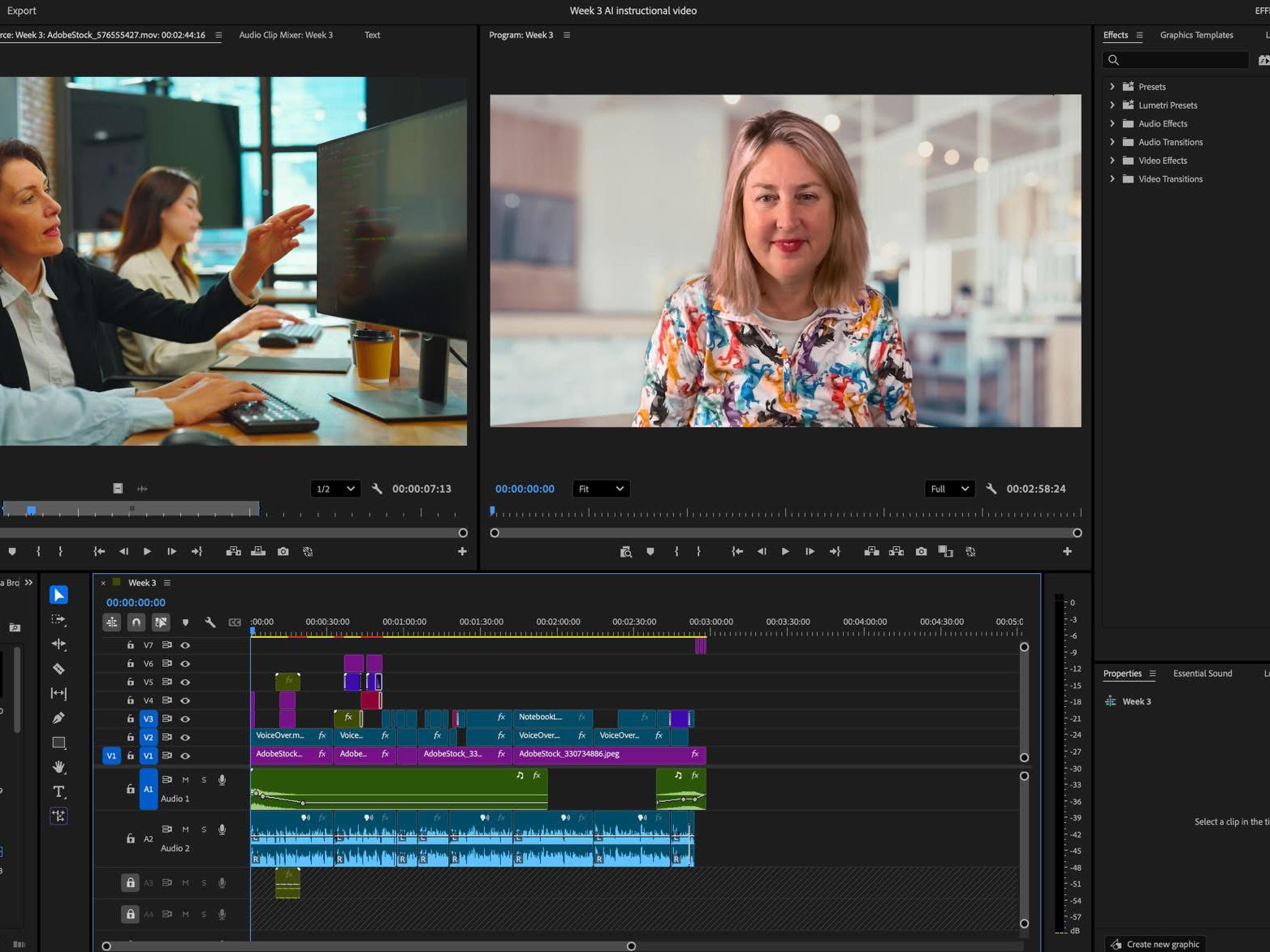
Using Adobe Audition, I recorded and edited narration, reduced background noise, balanced audio levels, and incorporated music and sound effects to support the listening experience without distracting from the instructional content. Attention to vocal clarity, pacing, and sound organization helped ensure that the final production remained accessible and engaging.
The instructional design process combined audience analysis, content planning, accessibility considerations, script development, and audio production. Together, these elements helped me create a cohesive learning resource that demonstrates how thoughtful audio design can support instructional communication and diverse learner needs.
Deliverables
• Project Intake Form
Next Steps
The next step would be to evaluate the audio syllabus with its intended audience, including students who are blind or have limited vision. Through learner feedback and accessibility testing, I would examine whether the narration, pacing, content organization, and audio elements effectively support comprehension and navigation through the information.
I would also explore ways to improve the learning experience by providing a synchronized transcript, clearly defined audio sections, and additional navigation options that allow students to locate and revisit specific information. These findings would inform future revisions and help ensure that the audio syllabus remains an accessible, effective instructional resource.