Challenge
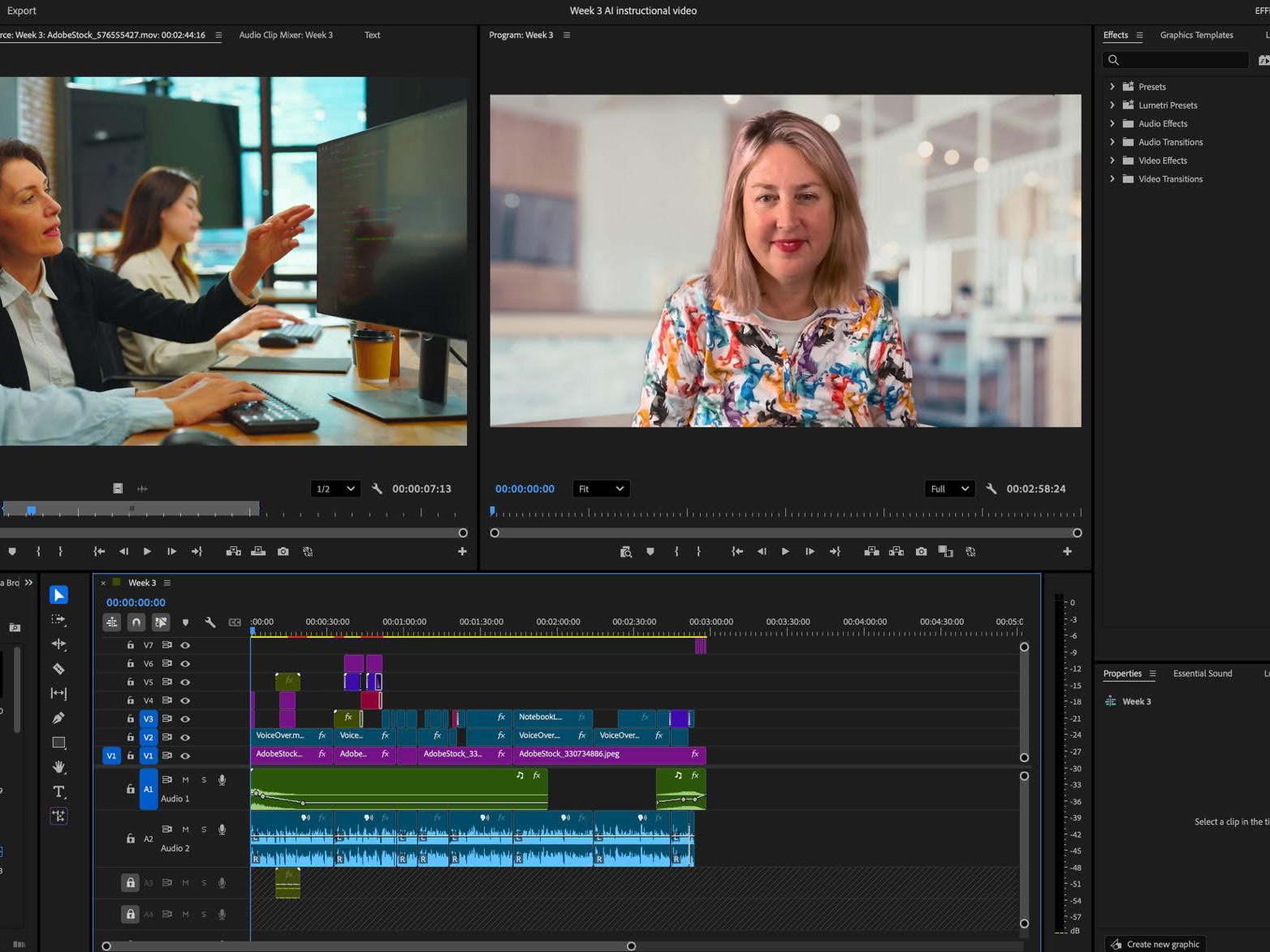
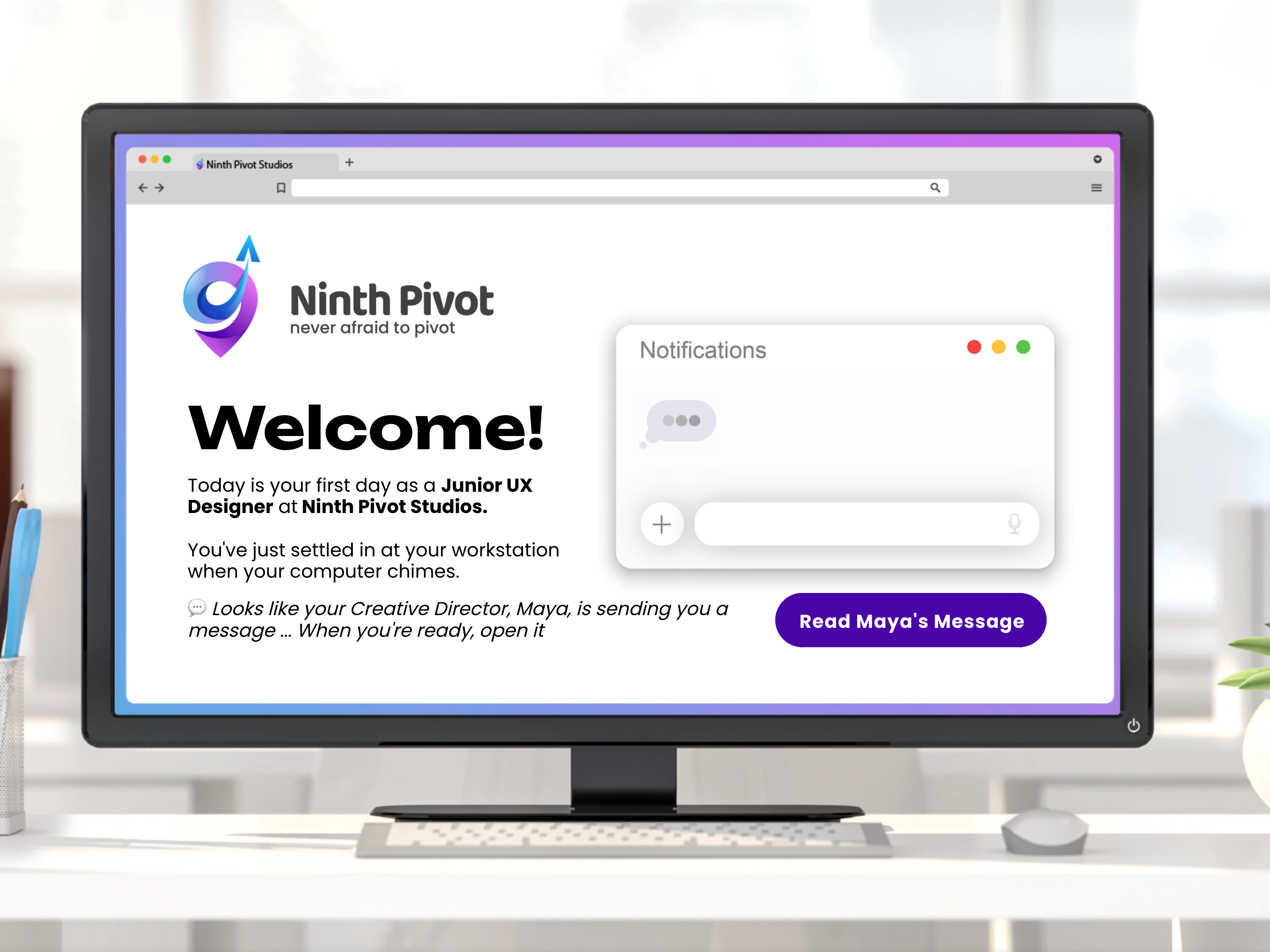
The challenge was to design and develop a microlearning experience that introduced learners to the concept of UX/UI usability heuristics through an engaging combination of instructional video and interactive practice in H5p. Rather than relying on a traditional lecture or quiz, the project needed to explain an abstract UX principle in a clear, accessible way using authentic examples from both everyday life and digital interfaces. The experience concluded with a drag-and-drop game mechanic that required learners to analyze examples and distinguish whether they demonstrated the usability heuristic Visibility of System Status, reinforcing understanding through immediate application and feedback.
Launch the Microlearning
Launch the Microlearning
Deliverable
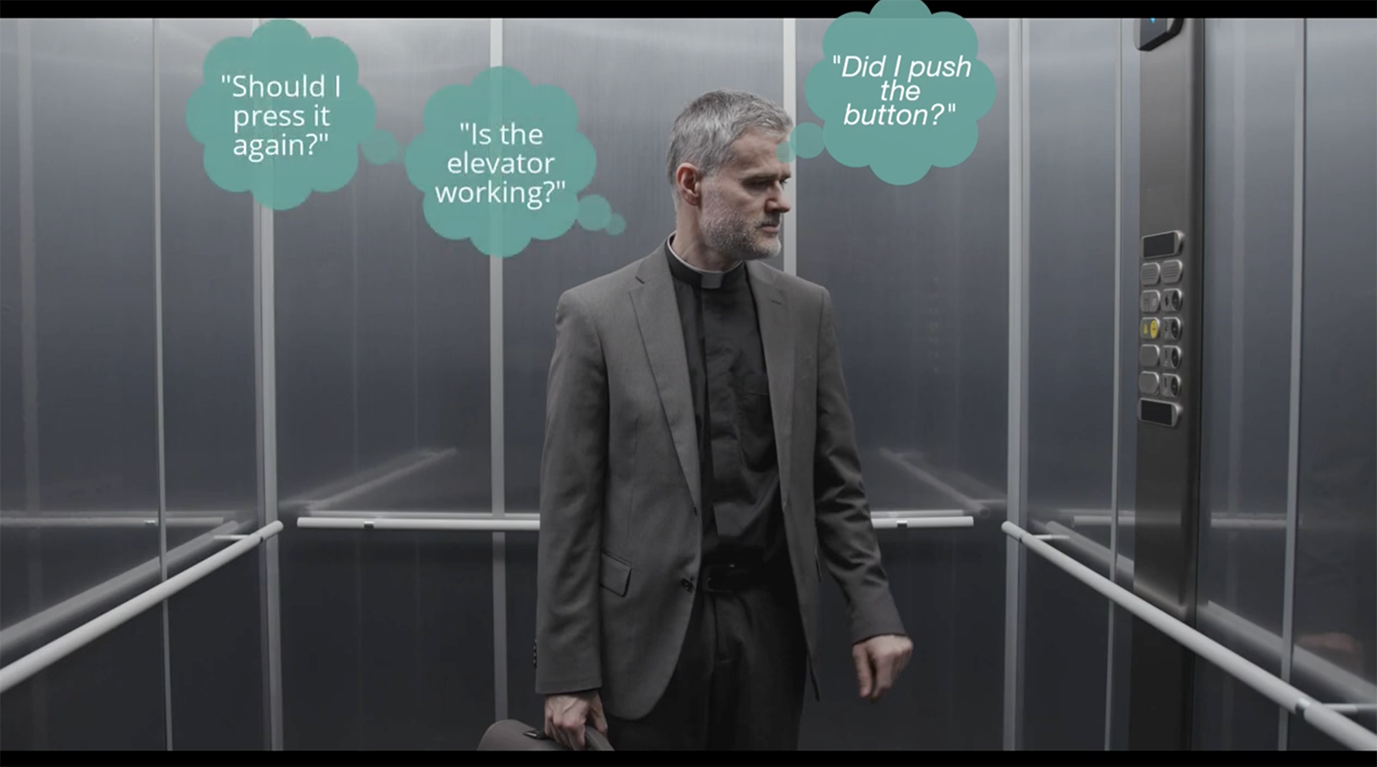
The final deliverable is an interactive microlearning module titled UX/UI Usability Heuristics: Recognizing Visibility of System Status. The experience begins with a short instructional video introducing usability heuristics and explaining the principle of Visibility of System Status through familiar real-world examples and common UX/UI design patterns. Learners then complete a drag-and-drop exercise in which they classify interface examples based on whether they provide appropriate system feedback. Together, the instructional video and interactive assessment demonstrate the complete instructional design process by combining multimedia learning principles, authentic scenarios, and game-based interaction to improve learner engagement and knowledge retention.
This video provides an overview of the design and development of UX/UI Usability Heuristics: Recognizing Visibility of System Status, a microlearning experience that introduces learners to one of Jakob Nielsen's foundational usability heuristics. It explains how instructional design principles and multimedia learning strategies were used to transform an abstract UX/UI concept into an engaging learning experience through concise video instruction, authentic real-world examples, and an interactive drag-and-drop assessment. The walkthrough also highlights the instructional decisions behind the project, including the use of everyday analogies to reduce cognitive load, immediate feedback to reinforce learning, and active learner participation to improve knowledge retention. The result demonstrates how microlearning and interactive practice can make complex UX/UI concepts more accessible, engaging, and memorable for beginning designers.